The Pathless Path - Paul Millerd (Review)
Summary
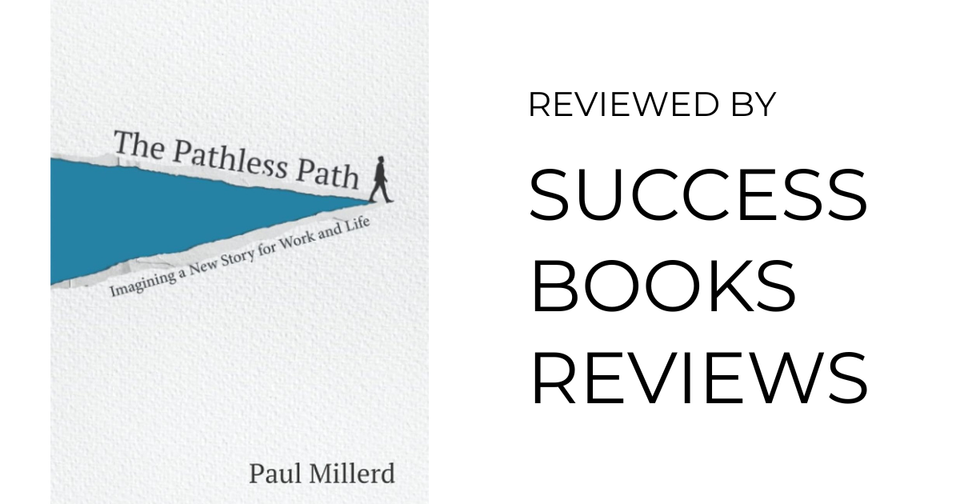
In The Pathless Path: Imagining a New Story for Work and Life, Paul Millerd challenges the conventional idea that a successful life should follow a predictable sequence of education, career advancement, financial security, and retirement. Drawing on his own experience of leaving a prestigious consulting career, Millerd explores what can happen when we stop organising our lives around externally defined markers of success.
Rather than prescribing a new formula, the book encourages readers to question assumptions about work, ambition, identity, and what makes a life meaningful. The “pathless path” is not presented as aimlessness, but as a willingness to tolerate uncertainty while building a life around curiosity, autonomy, relationships, and personally meaningful work.
Readers interested in questioning conventional ideas about achievement may also enjoy our review of Four Thousand Weeks, while The Courage to Be Disliked offers a complementary perspective on living with less dependence on external approval.
Who This Book Is For
- Professionals questioning whether a conventional career still feels meaningful
- Readers considering a career change, sabbatical, or more independent way of working
- People interested in redefining success beyond status and income
- Entrepreneurs, freelancers, and creators exploring alternative approaches to work
- Anyone feeling successful on paper but uncertain about whether they are living in the way they actually want
Key Takeaways
- The default path is only one option: Education, career progression, home ownership, and retirement form a powerful cultural script, but they are not the only way to organise a life.
- Success can become self-reinforcing: External rewards such as salary, status, and recognition can make it difficult to question whether a chosen path remains personally meaningful.
- Uncertainty is unavoidable: Leaving a conventional path often means giving up clear milestones and learning to tolerate ambiguity.
- Work and identity can become too closely linked: When career status becomes a central source of identity, changing direction can feel more threatening than it needs to.
- Enough is an important question: Defining what is sufficient—financially and personally—can reduce the pressure to pursue endless growth.
- Experiments are useful: Small changes, side projects, travel, sabbaticals, or independent work can help reveal alternative possibilities without requiring an immediate permanent decision.
- Curiosity can be a guide: Following genuine interests can uncover opportunities that are difficult to identify through conventional career planning.
- A meaningful life may be less legible to others: Choosing a less conventional path can involve accepting that friends, colleagues, or family may not immediately understand it.
Strengths
- Offers a thoughtful challenge to conventional definitions of career success
- Personal without becoming purely autobiographical
- Particularly relevant to professionals experiencing career dissatisfaction or burnout
- Avoids presenting entrepreneurship or self-employment as a guaranteed solution
- Encourages experimentation rather than dramatic, irreversible decisions
- Treats uncertainty as a normal part of changing direction
- Raises useful questions about money, status, identity, and the meaning of “enough”
- Accessible and reflective writing style makes complex life questions approachable
Weaknesses
- Some ideas are explored through personal reflection rather than rigorous research
- Readers seeking a highly structured career-change framework may find the guidance too open-ended
- The author’s ability to leave a well-paid professional career may make parts of the book less directly applicable to readers with tighter financial or family constraints
- Certain themes around work, meaning, and independence recur frequently
- The book can occasionally romanticise unconventional work arrangements without examining their disadvantages in equal depth
- Readers already familiar with ideas around minimalism, financial independence, or alternative careers may encounter some familiar territory
Verdict
The Pathless Path is a thoughtful exploration of what can happen when conventional definitions of success stop feeling convincing. Paul Millerd does not argue that everyone should leave a corporate career or become self-employed. Instead, he asks readers to examine whether the path they are following was consciously chosen—or simply inherited from expectations about what a successful life is supposed to look like.
The book is strongest when it encourages experimentation, reflection, and a more deliberate definition of “enough”. Its open-ended approach will not suit readers looking for a precise career plan, and some of its conclusions are rooted more in personal experience than research. Nevertheless, its central questions are valuable.
For readers who have achieved some of the milestones they were told to pursue but still find themselves asking “Is this it?”, The Pathless Path offers a useful and reassuring framework for considering what might come next.
Rating: ★★★★☆ (4.5/5)
Where to Get It
This book is widely available through major online and local booksellers.