Do Hard Things - Steve Magness (Review)
Summary
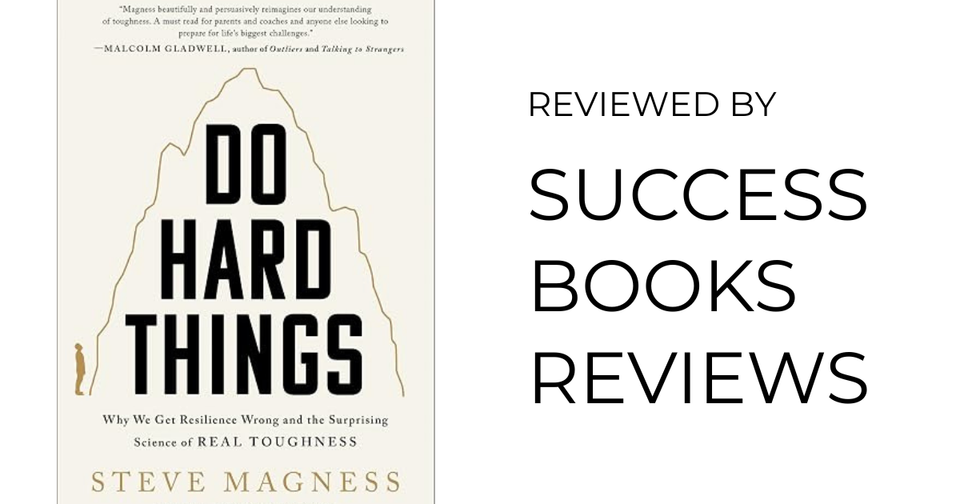
In Do Hard Things: Why We Get Resilience Wrong and the Surprising Science of Real Toughness, Steve Magness challenges traditional ideas about toughness built around suppressing emotion, ignoring pain, and simply pushing harder. Instead, he argues that genuine resilience comes from understanding what we are experiencing, responding deliberately, and learning how to remain effective when circumstances become difficult.
Drawing on psychology, neuroscience, sport, philosophy, and examples from high-performance environments, Magness presents toughness as a skill that can be developed rather than an innate quality possessed by a fortunate few. His approach emphasises awareness, flexibility, and purposeful action over bravado or endurance for its own sake.
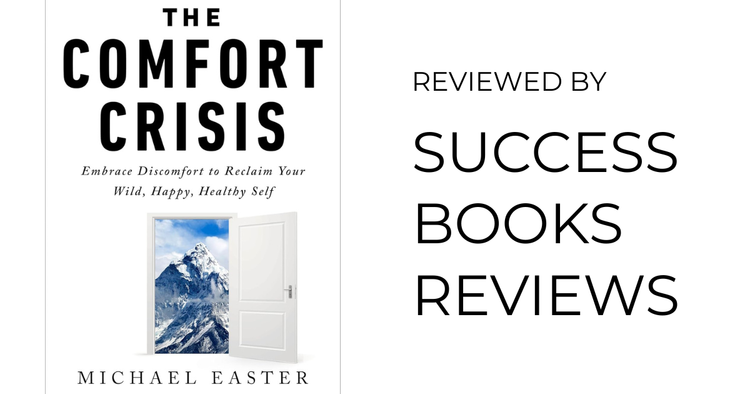
Readers interested in the benefits of deliberately confronting discomfort may also enjoy our review of The Comfort Crisis, while Can’t Hurt Me offers a much more extreme perspective on endurance, self-discipline, and pushing beyond perceived limits.
Who This Book Is For
- Readers interested in resilience, mental toughness, and performance
- Leaders, coaches, teachers, and parents responsible for helping others navigate difficulty
- Athletes and professionals who regularly operate under pressure
- Anyone questioning conventional “push through it” approaches to toughness
- Readers interested in psychology-backed approaches to personal development
Key Takeaways
- Toughness is not the same as appearing tough: Suppressing vulnerability or projecting confidence does not necessarily build genuine resilience.
- Accept reality first: Responding effectively to difficulty begins with seeing a situation clearly rather than denying or minimising it.
- Listen to the body: Physical and emotional signals contain useful information and should be interpreted rather than automatically ignored.
- Respond instead of reacting: Creating space between an uncomfortable experience and our response can improve judgment and self-control.
- Discomfort can be trained: Exposure to manageable challenges can increase our ability to function effectively when things become difficult.
- Confidence grows through experience: Trust in our ability to cope is strengthened by successfully navigating challenges, not merely by positive thinking.
- Flexibility matters: Real resilience involves adapting our approach rather than rigidly persisting with a strategy that is no longer working.
- Purpose changes our relationship with difficulty: Discomfort becomes easier to tolerate when it is connected to something we consider meaningful.
Strengths
- Offers a thoughtful alternative to stereotypical ideas about mental toughness
- Combines research with engaging examples from sport, psychology, and everyday life
- Makes resilience feel learnable rather than dependent on personality
- Particularly useful for coaches, leaders, teachers, and parents
- Distinguishes productive discomfort from unnecessary suffering
- Provides practical ideas without reducing resilience to a simple formula
- Encourages greater self-awareness alongside persistence and discipline
Weaknesses
- Some themes recur frequently and could have been presented more concisely
- The substantial use of sporting and performance examples may appeal less to readers outside those areas
- Research findings are sometimes translated into broader practical conclusions more confidently than the underlying evidence may warrant
- Readers already familiar with modern resilience and performance psychology may recognise several of the core ideas
- Those looking for a highly structured workbook or step-by-step program may find the guidance relatively broad
Verdict
Do Hard Things offers a persuasive rethink of what it means to be mentally tough. Rather than treating resilience as the ability to suppress discomfort and force ourselves forward regardless of circumstances, Steve Magness presents a more adaptable model based on awareness, acceptance, considered action, and purposeful persistence.
Its greatest strength is the distinction between looking tough and actually becoming more capable of handling difficulty. Some of the material could be tighter, and readers steeped in performance psychology may encounter familiar concepts, but the book brings those ideas together in an accessible and useful framework.
For readers interested in resilience without the usual emphasis on relentless self-punishment or motivational bravado, Do Hard Things provides a balanced and practical alternative.
Rating: ★★★★☆ (4/5)
Where to Get It
This book is widely available through major online and local booksellers.